What a Dietary Supplement Is
Dietary supplements are produced by specialized manufacturing facilities, which operate under specific European Union regulations (GMP, HACCP, traceability, raw material and finished product testing).
Many of these manufacturers offer third-party private label production — meaning they manufacture the product and you sell it under your own brand.
What a Dietary Supplement Is
A dietary supplement is a product intended to supplement the normal diet and is consumed exclusively via the digestive tract. It provides nutritional or bioactive ingredients (vitamins, minerals, amino acids, botanical extracts, etc.) in specific, controlled doses.
It is not a medicine and is not intended for treatment, but for support or prevention.
Production Formats
A supplement's format is not an aesthetic matter. It is a technological and functional choice.
Tablets and Capsules (Hard or Soft)
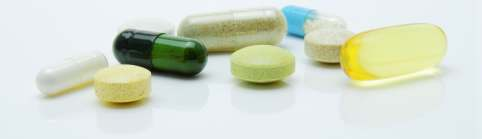
Tablets and capsules pass from the stomach into the intestine, where they break down and are absorbed. They must withstand gastric acids, which can destroy sensitive ingredients. For this reason: Tablets may have an enteric coating. Capsules can be designed to dissolve in the intestine (enteric capsules).
This format is considered stable, technologically mature and suitable for most formulas.
Drinkable, Chewable, Effervescent and Oral-Dissolving Formats
They absorb quickly, but absorption speed is not a real advantage for most dietary supplements.
Unlike a sublingual medication that requires immediate action (e.g. during an acute cardiac event), supplements don't need rapid absorption. In addition, they carry significant drawbacks: They require flavor and aroma. They often contain artificial sweeteners or flavoring agents. They have increased stability requirements.
Choosing them should be for a specific reason, not for marketing purposes.
Format-Composition Relationship
Oil-based ingredients require a soft capsule (softgel). Powder-form ingredients can be compressed into a tablet or placed in a hard capsule.
Technological compatibility between formula and format is critical for stability and effectiveness.
Packaging Formats
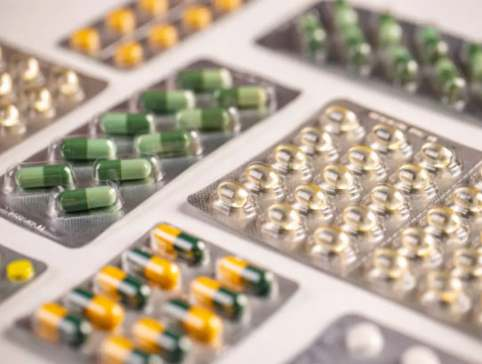
Packaging affects shelf life, protection, and perceived quality.
The choice isn't just aesthetic. It's a strategic decision that affects cost, shelf life and positioning.
What Determines the Effectiveness of a Dietary Supplement

Effectiveness is not determined by format or packaging.
1. The Formula
The composition of ingredients and their correct combination. Most health issues addressed with dietary supplements require more than one ingredient. Often, more important than each ingredient individually is their synergistic action — how they work in combination, reinforcing one another.
Serious, credible formulas are created by selected healthcare professionals, who, beyond the composition itself, can document their choices with clinical studies and scientific data supporting effectiveness.
2. The Quality of the Raw Materials
Origin, purity, standardization and certifications of the raw materials determine the final outcome.
Equally important is the ingredient's form, depending on the desired absorption and bioavailability. Not all forms of the same vitamin or mineral have the same effectiveness.
3. The Correct Dosage
The sufficient amount of active ingredient per daily dose is decisive. Correct dosage doesn't mean a bigger dose than the body needs. More does not mean better. For example, an excessive amount of melatonin, instead of improving sleep, can cause disturbances or even insomnia.
Balance is what determines effectiveness and safety.
Legalization for Market Placement with EOF

To place a dietary supplement on the Greek market, legalization for market placement is required from the National Organization for Medicines (EOF). This process ensures the product is legal, safe for consumers, and compliant with Greek and European legislation.
Key points of the process:
1. Dossier Submission to EOF
The manufacturer or importer submits a dossier that includes: Product details: brand name, format, ingredients, dosage. Composition and description of the formula. Raw material quality data and certifications. Instructions for use, label and packaging information (including health claims in accordance with EC Regulation 1924/2006). Stability and quality control reports.
2. Compliance Review
EOF examines: The composition and ingredients of the supplement. Safety for the end consumer. Correct labeling and presentation of the product. Documentation of health claims.
3. Registration Number / Market Approval
4. Obligations of the License Holder / Company
Keeping a record of all technical and quality documents for inspection by authorities. Informing EOF of any changes to composition, packaging or health claims. Ensuring traceability and safe distribution of the product.
5. Important for Private Label Companies
If the product is manufactured by a third-party manufacturer, the company selling under its own brand takes on responsibility for legal compliance and correct labeling. EOF applies the same strict criteria regardless of whether the company itself is the manufacturer.
Proper legalization protects both the consumer and the company's investment.
The Label
The label, however, is your job, and it consists of two main parts:
1. Mandatory Information (as required by law)
These are the elements that must necessarily be included on the label: The nutrition table with all vitamins, minerals and nutrients in the correct order, translated into Greek. Ingredients and their sequence, with dosages. Warnings, such as: "Do not exceed the recommended daily dose" or "Supplements are not a substitute for a balanced diet." Expiry date and storage instructions. EOF notification number, once the notification process is complete.
2. Marketing and Branding
The second part concerns the commercial side of the label: Choice of logo, fonts, background and overall design. Creating your own barcode series. Your company's name and logo, and the product's brand name, appropriate for its type and compliant with EOF rules.
The manufacturer will give you the label dimensions. Once you finish the design and receive the EOF notification number, you'll send them the final file with the number embedded.
The Label in Detail (Because It's a Decisive Success Factor)

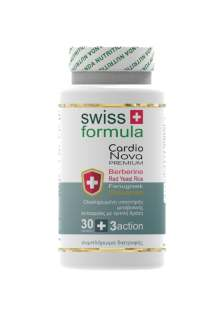
Imagine simply taking the ingredients you like and mixing them into a dietary supplement. That would most likely not be allowed — neither from a manufacturing standpoint nor a legal one. The same applies to labeling: you can't put just any information on the packaging. To save you hours of studying European legislation, here's a summary of the most important labeling requirements for dietary supplements.
What You Need to Know About Dietary Supplement Labeling Requirements
Supplements are classified as foods in the European Union. Therefore, they are subject to the same general safety and labeling rules as other foods, in accordance with Regulation (EU) No 1169/2011.
The regulation states that you must provide mandatory information in a language understandable to consumers in the country where the product is sold. You can include the information in multiple languages, as long as the requirements of the country of sale are met.
✓ What You Must Do (Dos)
Directive 2002/46/EC harmonizes legislation across EU member states.
- Clearly state the main nutrients or ingredients that characterize the product
- State the recommended daily dose of the product
- Add a warning not to exceed the recommended daily dose
- State that supplements are not a substitute for a balanced diet
- Add a reminder to keep out of reach of children
- State exact quantities of nutrients or active substances in numbers
- Quantities must correspond to the recommended daily intake
- Show the percentage contribution to the Recommended Daily Allowance (RDA)
✕ What You Must Not Do (Don'ts)
Labeling must be clear, truthful, and compliant with EU legislation.
- Claims of preventing, treating or curing disease — supplements cannot be marketed as medicines
- Unauthorized health claims (EC Regulation 1924/2006)
- Claims that undermine proper nutrition
Example (disease claims): If you sell collagen, you cannot claim it "treats arthritis" or "eliminates joint pain." This is considered a medical claim and is prohibited.
Example (unauthorized health claim): If you sell vitamin D, you cannot write that it "definitely boosts the immune system." Instead, you can use the approved claim: "Vitamin D contributes to the normal function of the immune system." Using only approved and accurate claims strengthens your product's credibility.
Example (claims against proper nutrition): If you sell protein powder, you cannot say it's "the only way to increase muscle mass."
Useful Links for Supplement Labeling
EU Register of Health Claims – a list of authorized and non-authorized claims. European Commission – Nutrition claims: conditions and examples such as "low fat" or "high in fiber." European Commission – Health claims: claim categories (functional, risk-reduction, children's development). Regulation (EU) 1169/2011 – food information to consumers. Directive 2002/46/EC – specific rules for dietary supplements. Regulation (EC) 1924/2006 – rules on nutrition and health claims.
Key Points
Correct labeling isn't just about how the label looks, but full compliance with legislation. Supplements are considered foods and must follow the same rules, with additional specific requirements.
What to remember: Labels must include all mandatory information (quantities, recommended dose, warnings). Unauthorized claims or claims implying treatment are prohibited. Information must be accurate and in the language of the market where the product is sold. Even if your product is manufactured by a private label company or external partner, you remain responsible for labeling compliance.
How to Choose the Right Formula to Get Started
Once you've decided that you meet the basic requirements — meaning you have the necessary scientific knowledge, or work with doctors and specialists who can document a solution and recommend it — and you want to create dietary supplements under your own brand, the next step is choosing the right formula.
In Which Health System Do You Have Real Knowledge?
You first need to answer: In which body system do you have expertise or experience? (e.g. musculoskeletal, digestive, nervous, hormonal, immune)
Even if you have a general approach to health topics, you'll need specialized knowledge to address specific problems and recommend documented solutions.
Once you've defined the area you operate in, answer the next critical question: What are the most common problems you encounter?
Example: You sell supplements through gynecologists and want to offer solutions for recurring urinary tract infections that aren't effectively treated with antibiotics alone. This means: You know the problem, you know the audience, you know the treatment context, you're looking for complementary, documented support.
Then you ask: What solutions can dietary supplements provide, based on scientific evidence? You can't start with everything. You need to start where you have knowledge, experience and a clear understanding of the problem. Once you've defined your area of focus, you choose how to develop the formula.
You Have Two Options:
Ready-Made Premix Formula
Suitable when you want:
- Faster market entry
- Lower business risk
- Lower development cost
- A proven composition with immediate production capability
- Small initial orders
Ideal choice for a safe, fast start, especially if you don't yet have a developed distribution network.
Custom Formula
Suitable when you want:
- Complete differentiation from competitors
- Strong brand positioning
- Greater scientific identity
- A unique composition based on your own philosophy
Requires more strategy, time and investment. Usually comes with a minimum order quantity. If you're not already active in the field and don't have a network to move the product within its expiry window, you may face stock and cash-flow problems.
In contrast, problems that don't cause immediate discomfort, aren't immediately noticeable, and create long-term risk are usually less commercially attractive. Examples: elevated cholesterol, blood sugar regulation, cardiovascular prevention, general health prevention. Prevention is scientifically important, but commercially it requires more audience education and a stronger brand.
Strategic conclusion. If you're starting now, it's often safer to choose a product that: solves a problem with an immediate symptom, creates quick, noticeable relief, has high demand due to daily discomfort. The market runs on motivation. And the strongest motivator is the pain or discomfort the consumer is experiencing right now — not the risk they might face later.
When Looking for a Private Label Partner, You Should Mainly Evaluate:
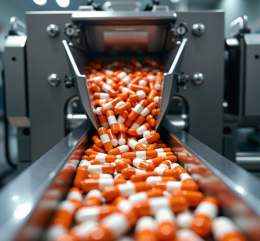
a) Infrastructure and Equipment
Check whether the factory has the appropriate machinery for each product format (tablets, capsules, powders, liquids, gummies, etc.). Cleanliness, organization, and the ability to run separate production lines for different products matter, to avoid cross-contamination of ingredients or allergens.
b) Production Capacity and Flexibility
How many units can it produce daily/monthly? Can it run small batches for testing or seasonal products? Does it support special requirements, e.g. enteric-coated tablets or vegan capsules?
c) Documentation and Traceability
Every batch must have full raw material, date and process tracking. Ask for sample quality control protocols and test reports.
d) Private Label Experience
A factory that already produces for third parties often has ready processes for labels, formulas and EOF compliance. Ask about previous clients, product types, and their capacity to manage multiple formats and packaging types.
Which Certifications Are Substantial and Which Are Just "Impressive"
Substantial (must-haves for a serious factory)
- GMP (Good Manufacturing Practices) – mandatory for all supplements in the EU
- ISO 22000 or ISO 9001 – ensures quality and food safety management
- HACCP – critical for hygiene and food safety hazard control
- Pharmaceutical standards (if required for specific formats)
"Impressive" / Marketing Certifications
- Vegan, Gluten Free, Organic, Halal, Kosher, etc. – matter only if you're targeting a specific market. They do not replace core GMP/HACCP requirements
- ISO certifications unrelated to food or supplements – just adds "visibility" and doesn't affect product safety or compliance
Reference Guide to Factory Size by Product Type
Tablets-Only Production
Small unit with a single shift, a simple line, basic QC, shared mixing and bottle or blister packaging. Requires roughly 15 people and a minimum of 1,000 m², including offices, changing rooms and corridors.
Tablets + Hard Capsules Production
Medium unit with a single shift, shared mixing and bottle or blister packaging, with critical HVAC management for powders. Requires 25–40 people and a minimum of 1,200 m², with offices, changing rooms and technical areas.
Tablets + Hard Capsules + Softgel Production
Large unit with two shifts, a separate area for softgel, strict temperature and humidity control, and dryers. Blister packaging for softgel and hard capsules. Requires 45–90 people and a minimum of 2,500 m², including technical areas, offices, changing rooms and corridors.
Tablets + Hard Capsules + Softgel + Chewable Gummies Production
Multi-format unit with 2–3 shifts, a food-grade zone for gummies, curing & drying, strict HVAC and separate zoning for each product. Blister or bottle packaging. Requires 90–120 people and a minimum of 3,500 m², with full support areas and buffer zones such as offices, changing rooms, technical areas and corridors.
Additional Factory Evaluation Criteria
Factory Country of Origin
Choose a factory based in an EU country. EOF distinguishes supplement notifications based on origin: Dietary supplements from EU countries – preferred. Dietary supplements from third countries – avoided, to prevent extra procedures and risks.
Specialization and Certifications
Assess the factory's specialization in dietary supplements.
Critical Points in a Private Label Contract

a) Recipe and Formula Ownership
It must be made clear that the recipe is yours, or that you have exclusive rights to use it for your brand. Avoid factories that can sell your formula to competitors without restriction. Special caution is needed with factories that already sell products under their own brand.
b) Raw Material Quality and Suppliers
The origin, purity and type of raw materials should be explicitly stated. Any changes to raw materials must be approved by you.
c) Quality Control and Batch Samples
It must define who approves each batch before it leaves the factory. You should have the right to sampling and third-party lab testing.
d) Order Timelines and Quantities
Minimum and maximum quantities, ability to place repeat orders. It should specify what happens if a batch expires or doesn't sell (return, destruction, discount). However strange it may seem, there's a solution.
e) Packaging and Label
The factory must produce according to your label's dimensions and specifications, with full adaptation to your chosen packaging. It must respect the exclusivity of your logo and brand name.
f) Confidentiality and Exclusivity Clauses
Closes off the possibility of the formula leaking to other companies or being sold to directly competing brands.
g) Legal Compliance
The factory guarantees that production is carried out in accordance with GMP, HACCP, ISO and Greek/European legislation.
If the partner you chose tells you "Don't worry, I have a cousin at EOF," walk away.
Private Label Factory Evaluation Checklist
General Information
- Factory name and location
- Experience manufacturing dietary supplements
- Already produces for third parties (private label)
- Product types produced (capsules, tablets, powders, liquids, gummies)
- Production capacity (daily/monthly)
- Flexibility for small/test batches
Infrastructure & Production Quality
- Cleanliness and organization of facilities
- Separate production lines for different products (avoiding cross-contamination)
- Process documentation (SOPs)
- Raw material and batch traceability system
Substantial Certifications
- GMP (Good Manufacturing Practices) – mandatory
- ISO 22000 / ISO 9001 – quality & food safety management
- HACCP – hygiene hazard control
- Other pharmaceutical or specialty certifications (optional, depending on the product)
"Impressive" (marketing) certifications: Vegan, Gluten Free, Organic, Halal, Kosher – assessed depending on target market.
Raw Materials & Recipes
- Raw material quality (purity, standardization, origin)
- Collaboration with selected healthcare professionals on the formula
- Ability to adjust doses and formula
- Approved product claims (EFSA / EOF)
Production & Packaging
- Format types: tablets, capsules, liquids, gummies, etc.
- Packaging types: plastic, glass bottles, blister, sachets
- Ability to produce under private label with your own GS1 barcode
- Guaranteed product shelf life
- Ability to meet special requirements (e.g. enteric-coated, sublingual)
Quality Control
- Batch samples before shipment
- Third-party lab testing
- Process for rejecting non-compliant products
- Documentation for every batch (Batch Certificate, active ingredient analysis)
Legal & Contract
- Recipe/formula ownership and exclusive use rights
- Compliance with EOF, GMP, HACCP, ISO
- Confidentiality and formula non-disclosure clauses
- Rights and limits for private label/branding
- Terms for changes to raw materials or formula
- Timelines, quantities, reorders
- EOF notification process (whether handled by the factory or an external company)
Support & Communication
- A dedicated private label contact person (you need to talk to one person, otherwise walk away)
- Speed and quality of responsiveness
- Support for certifications, test analyses, product documentation
If You've Made It This Far and It All Seems Difficult
Do what you know how to do: sell the product the way we described in the first section. We can handle all the technical side and offer you products under your own label, delivered to your door, ready for sale, and notified with EOF.
Our Capabilities
What we provide: Personalized consulting: market trend analysis, competitor research, popular products and product categories. Trademark registration at national level or across the EU via euipo.europa.eu. Licensing and notification procedures: issuing access credentials for the EOF Notification of Placing on the Market of Food Supplements and Special Foods system, preparing the product dossier and completing the notification. Complete label design: logo, product name, compliance with EOF and EU requirements, graphic mockup and finished product sample, full marketing and sales support (product videos, product catalogs, website development and e-shop operation training).
Certification & Quality
All tablets and capsules are manufactured in the EU at GMP-certified factories. Compliance with: Regulation (EC) 852/2004 on food hygiene, Regulation (EU) 1169/2011 on food information to consumers.
Stats & Technology
650 premix formulas (updated every 30 days). Ability to produce your own formula. But also the ability to create your own formula that addresses a specific health problem, e.g. recurring urinary tract infections in women. 60 different packaging solutions. 2,600 clinically tested ingredients (legal & fully certified).
Private Label Manufacturing Agreement
From idea to implementation, with a written contract that fully covers you.
We work with the most reliable private label manufacturers in Switzerland and across the EU, capable of producing high-quality supplements at competitive prices.
We give startups the option to begin with very small initial orders (from 500 units).
Our exclusive partnerships with state-of-the-art production facilities, equipped with the most advanced technology, allow us to fulfill your promises and requirements. Honesty and transparency are key to keeping you at ease and ensuring the highest level of customer satisfaction.
Once your order is submitted, you'll receive regular updates on your product's progress – from receipt of ingredients to packaging and delivery. We ensure an effective communication chain for the quick resolution of any issues.
Manufacturing Excellence
Our partner facilities hold GMP certification, and are audited by us every six months, drawing on more than 30 years of experience. All ingredients come with the appropriate certifications and are sourced exclusively from the European Union. Production takes place in ISO Class 8 cleanrooms, with automatically controlled air and temperature levels, and every machine is cleaned with military precision.
Swiss Formula is by your side at every step, from idea to delivery, ensuring quality, legal compliance and full support at every stage. Don't hesitate to contact us with any questions or to start your next product with us.
We're here to make the process easy, fast and effective. Everything you need to see your brand grow.

At Swiss Formula we create premium dietary supplements under your label
Tailored to your needs, so you can offer reliable health products to your customers. Easy, fast, and with small trial orders. From basic vitamins and minerals to advanced formulas for targeted support, our team is by your side at every step, offering guidance and support throughout the process.
Why Work With Us
Uncompromising quality: We use only top-tier raw materials and GMP-certified factories, with strict controls for maximum safety and reliability.
Innovation: Our R&D team continuously develops new formulas and delivery systems, so our products deliver real health benefits.
Integrity: We provide full transparency on every ingredient and process, building trust and long-term partnerships.
Get started today! Reach out to us at sales@swiss-formula.eu and take the first step toward creating your own premium dietary supplement under your own brand.
Giannis Moutafidis · +30 6980 599 079
Supplement Quality & Regulatory Compliance Consultant
We Handle the Technical Side
Small initial orders from 500 units, GMP-certified factories in the EU, free EOF notification and label design. You focus on selling — we focus on manufacturing.
View Formulas → Download the Full Guide as PDF